


In today’s world, with the help of investment applications and other digital technologies, it has become easier than ever before to keep track of your investments. You can keep a check on your stocks and mutual funds, as well as any market activity with just a couple of clicks. However, it is not always advantageous to constantly check your investments. Instead, this can prove to be stressful and lead to hasty decisions. Learning how and when to monitor your investments is crucial for a healthier investment approach.
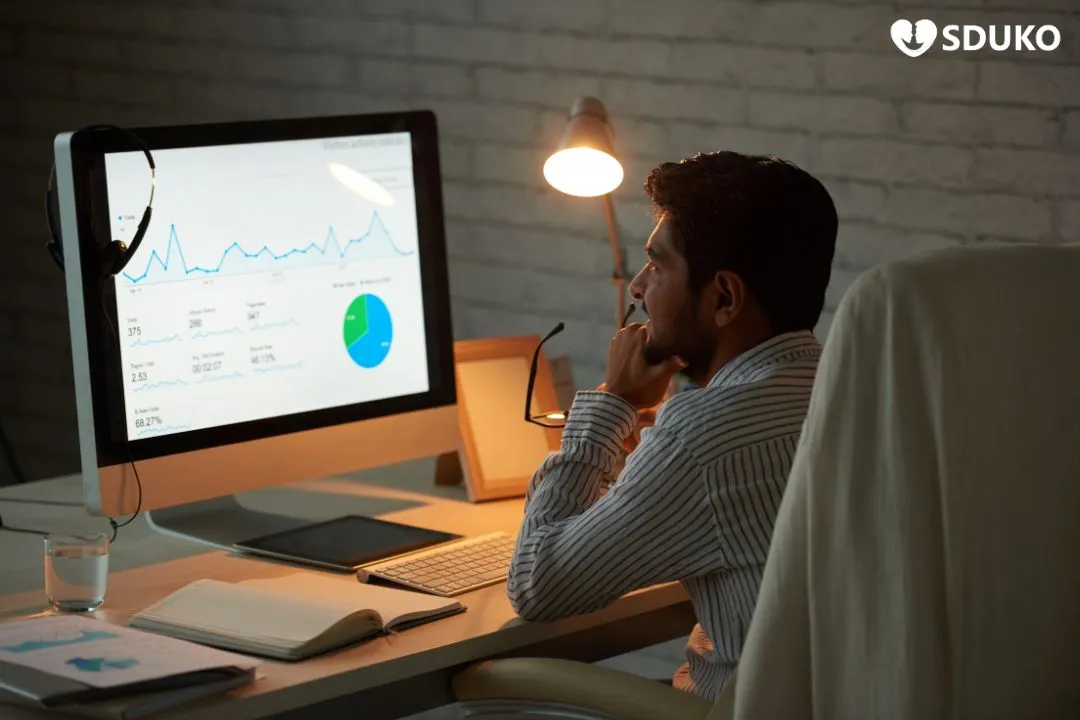
Why Investors Feel the Need to Check Their Portfolios Constantly
Often, the urge to keep track of one’s investments stems from a combination of psychological and technological reasons. In real time, notifications about the market and the latest news about finance may entice investors to follow the developments related to their investments on a continuous basis.
Fear of Missing Out (FOMO) may be another factor that affects this behavior. The fear of missing valuable market opportunities or failing to respond quickly to market changes can motivate some investors, including Indore call girls who follow investment trends.
Moreover, the volatility of the value of the portfolio becomes a cycle of excitement and fear, leading to constant checking.
5 Hidden Costs of Constantly Monitoring Your Investments
Although being well-informed is essential, too much portfolio monitoring may pose various difficulties that could impact both your financial and psychological well-being.
1. Emotional Stress and Investment Anxiety
Monitoring investments throughout the day can cause undue stress. Even a slight fall in the market may appear to be important when investors keep watching the decreasing value of their portfolio. This will continue to cause anxiety in the minds of investors.
2. Impulsive Financial Decisions
Continuous monitoring might impact investors emotionally. It can affect the manner in which Jaipur escorts and other investors act upon their investments due to short-term changes observed in the market. For instance, continuously seeing the decrease in the price of a stock for several days might result in an individual selling it.
3. Increased Risk of Overtrading
Checking your investments too frequently may tempt you to trade or alter your portfolio more than you should. Such an activity is referred to as overtrading. Overtrading might lead to increased transaction costs, higher taxes, and other types of costs.
4. Losing Sight of Long-Term Goals
Sometimes, the purpose of investment is something that will be attained in the long run. However, concentrating on the changes in prices on a daily basis can cause the investor to forget their ultimate aim and pay attention only to the short-term results.

5. Decision Fatigue and Reduced Focus
The constant need to analyze the latest market trends, compare performances, and look out for possible changes may take a toll on one’s mind. Kochi escorts who actively follow investment activities may also find that frequent decision-making leaves them with less time to focus on other important things.
How Often Should You Actually Check Your Investment Portfolio
There is no standard monitoring schedule, as everyone has a different idea of the optimal frequency of checking the results based on his/her type of investments and financial objectives. Long-term investors may see that checking one’s portfolio once a month or once a quarter is enough to assess how well one performs and how balanced the portfolio is. In turn, short-term traders may have to check markets more often as their strategy relies on price fluctuations. The point is not in monitoring your investments but in doing it for a specific reason and not out of nervousness or curiosity.
Final Thoughts
Investing entails much more than just staring at changing figures on a screen on a regular basis. Investing entails patience, decision-making, and commitment. Although it is important to monitor one’s investments, doing so too often could cause undue stress and lead to actions that are detrimental. A systematic process of monitoring one’s investments and staying focused on long-term goals helps investors be more disciplined in their approach. In some instances, good investing may actually involve not doing anything.
